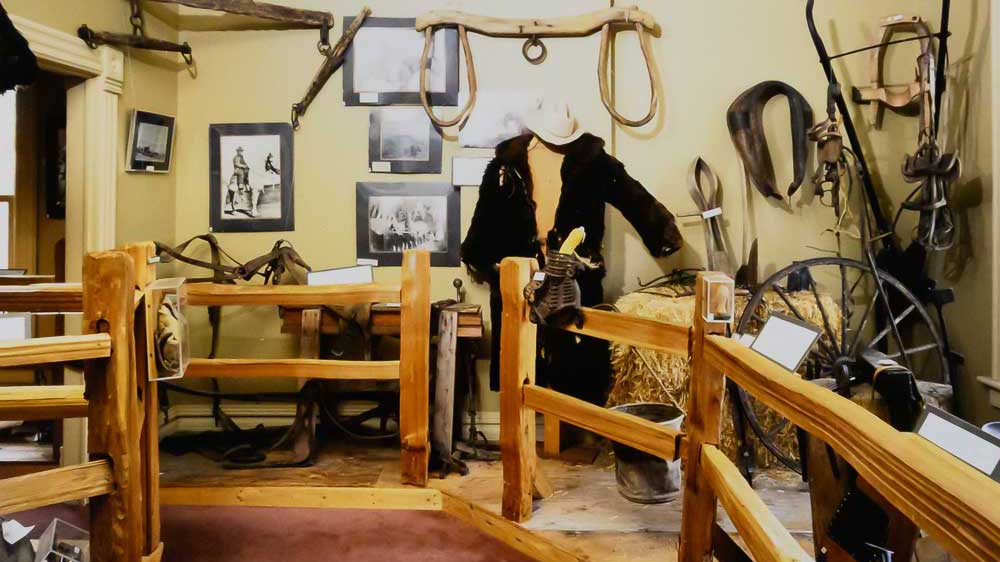



The mission of the Black American West Museum & Heritage Center is to promote an understanding of the role that African Americans played in the settlement and growth of the western United States through its collections, programs, and exhibits.
Origin of the Black American West Museum & Heritage Center
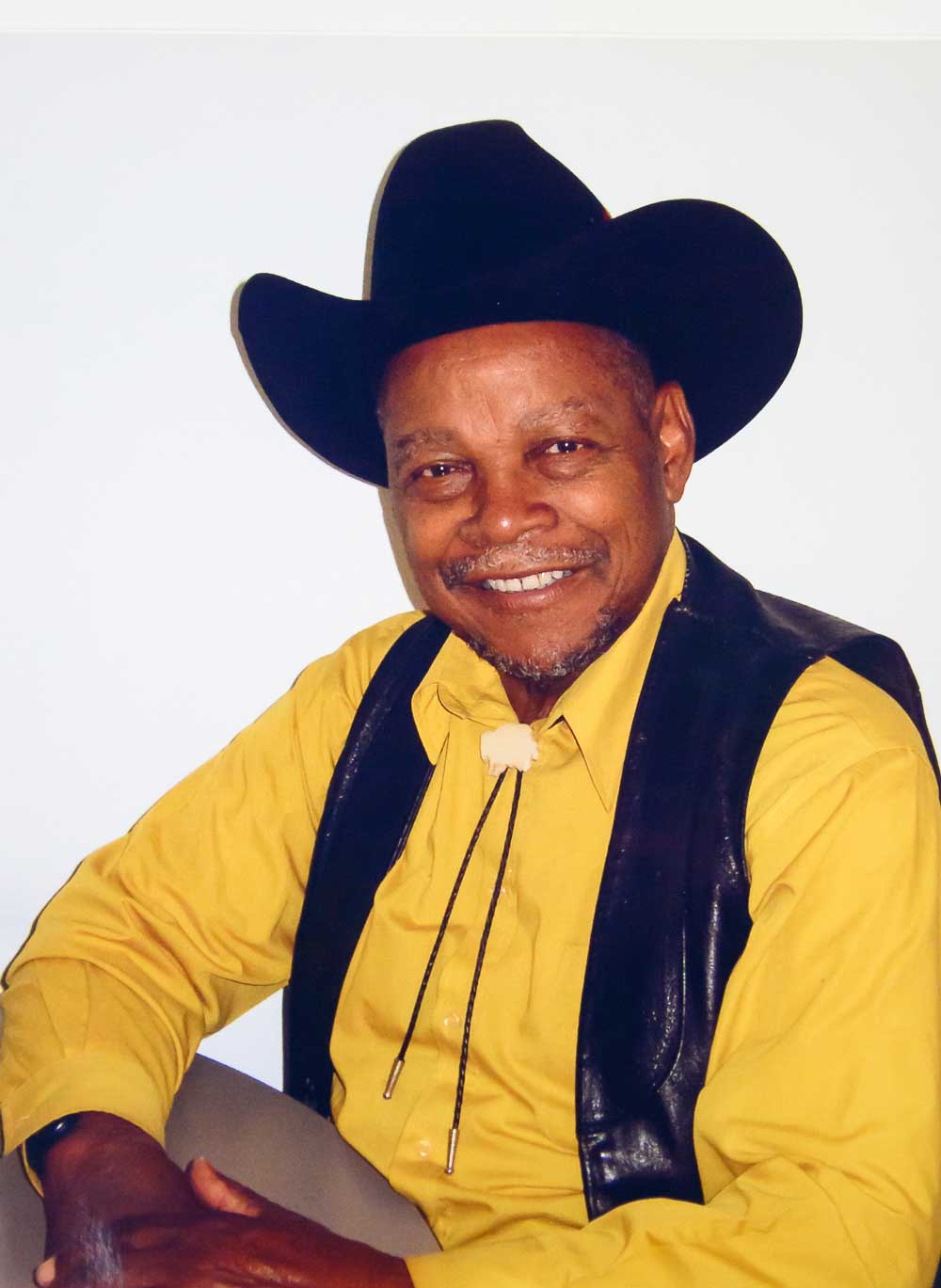
Paul Wilbur Stewart was born in 1925 in Clinton, Iowa, where Stewart's family was one of only a few African American families in the county. Growing up, his white playmates told him he had to play the "Indian" when they played “Cowboys and Indians” because there was no such thing as a Black cowboy. Paul joined the Navy after high school and served his country during World War II. After serving, he earned a certificate from Moler Barber College in 1947 and worked as a barber for more than a decade.
In the early 1960s, Paul traveled to Denver to visit his cousin Earl Mann, the first Black legislator in Colorado. While Mann was showing his cousin around the city, Paul noticed a Black man dressed in full cowboy attire: boots, chaps, gun belt, spurs, and cowboy hat. Paul dismissed the cowboy due to his past interactions with friends, popular culture, and history books. To Paul’s surprise, Mann explained that the man was a well-known rancher and that this was not an uncommon sight in Colorado. Paul would come to learn that Black cowboys were often taken out of history—a mistake Paul would seek to correct.
The Black American West Museum & Heritage Center grew out of Stewart’s personal passion for collecting materials that would document the rich cultural heritage of those African American heroes and everyday people who settled the West.
As Stewart's collection quickly outgrew his barbershop, the Black American West Foundation was established in 1971. At this time, the museum operated partly out of Stewart's barbershop and the other part out of an old saloon in Five Points. Around 1973, urban renewal pushed the museum out of the saloon and into Clayton College, and in 1975, Stewart closed his barbershop to become a full-time educator and curator. The museum successfully operated out of Clayton College for close to 10 years before it moved back to the heart of Five Points. A major factor for this move was the difficulty visitors had in finding the museum.
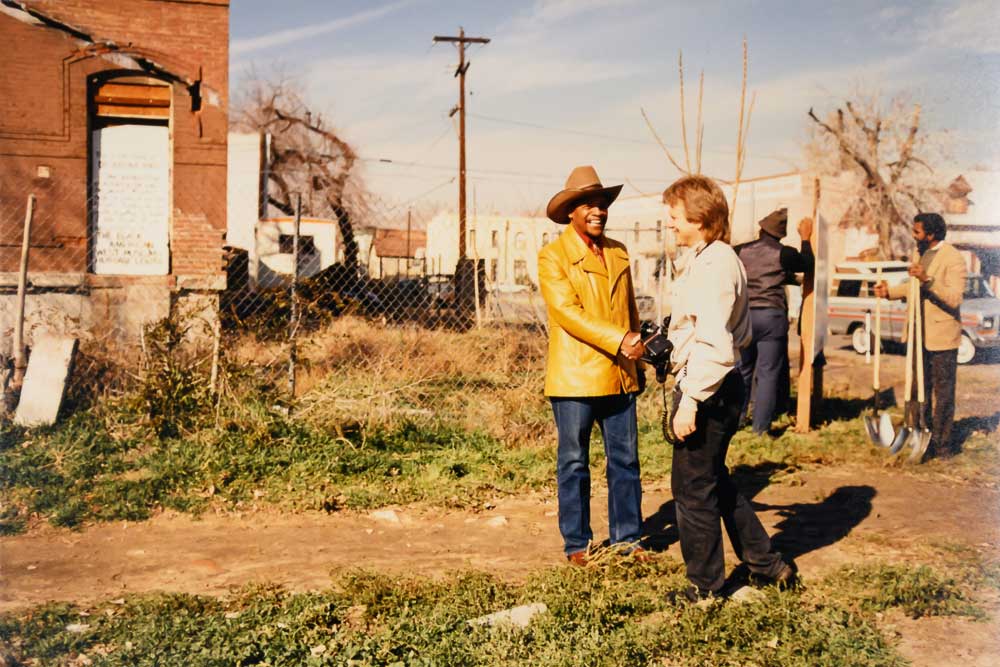
Paul’s knowledge and collection became so established at schools, libraries, churches, and universities that he began to be invited to lecture about Black Western history. More notable interviews took place on television programs, including Good Morning America and The Today Show.
During the latter part of the 1970s, Paul worked with the Denver Public School system where he taught students about the history of Black cowboys and the tales their history books left out. He brought in artifacts and shared stories with the kids; he also taught them the secret cowboy handshake, which became his trademark.
In addition to preserving these histories, today the museum also works to protect and interpret Dearfield, a historic African American agricultural colony founded by O.T. (Oliver Toussaint) Jackson in the early 1900s. Located 90 miles northeast of Denver, Dearfield represented a powerful “back to the land” movement and stood as a symbol of Black self-sufficiency and perseverance in the face of systemic challenges.
While the museum is widely known for celebrating the legacy of the Black cowboy, our storytelling goes far beyond the ranch. We honor the miners, soldiers, ranchers, homesteaders, educators, blacksmiths, lawmen, and entrepreneurs—African Americans who played vital roles in building and shaping the Western frontier.